The following is an excerpt from an ongoing conversation with Zach Frizzell, who was the featured artist on Headphone Community in November, 2025. We have already discussed his overall musical journey, dove into the details of his composition, and now it’s time to talk about his monumental label, Past Inside the Present, which readers of this modest publication should already be familiar with. Also, when you join us, you will find previously unreleased tracks, lots of free Bandcamp codes to many of zakè’s releases [yes, you can download lossless albums just by becoming a member!], and many other exclusive surprises and perks. Most importantly, all the funds raised go directly back into supporting this and future artists. Join us for a much deeper and meaningful drift…
What motivated you to start Past Inside the Present back in 2018? Was there a specific gap in the ambient world you wanted to fill, or was it more about giving a home to the music you and your friends were making?
Past Inside the Present actually started out as something much simpler, a small newsletter and blog dedicated to ambient music reviews. In early 2018, we thought it would be interesting to invite artists we admired to contribute exclusive two-track pieces alongside the features we were writing. That idea grew faster than we ever expected. Before long, we found ourselves releasing these works on Bandcamp, which quickly evolved from a few digital singles into a full-fledged record label.
It all happened naturally and with a lot of heart. We realized we could make a deeper impact by helping artists share their music directly rather than only writing about it. The ambient world can feel crowded at times, but we trusted our instincts and our shared sense of what feels honest and emotionally resonant.
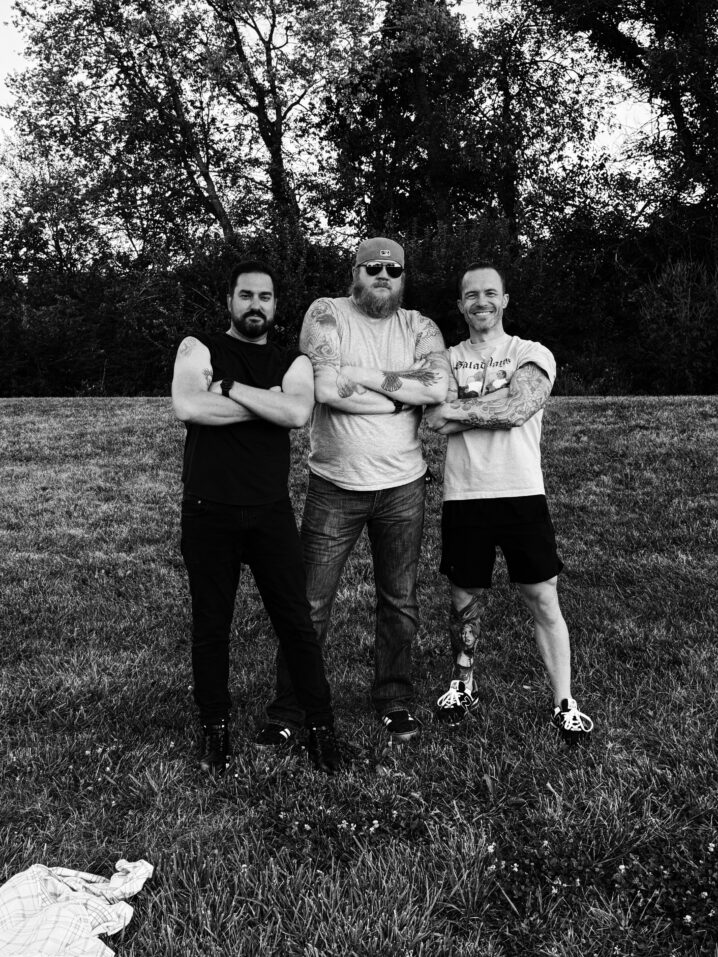
Today, PITP has grown into a label with more than a hundred releases across every format, supported by a passionate team of six. That includes myself, Kévin Séry (From Overseas), Nick Turner (Tyresta), Drew Sullivan (Slow Dancing Society), Cynthia Bernard (marine eyes), and James Bernard. Together, we’ve built something rooted in authenticity, community, and longevity. From our first physical releases in the winter of 2019 to now, we’ve approached every artist and album with care, enthusiasm, and a deep respect for the independent spirit that drives this music.
The label’s mission emphasizes ambient music as a means to ease anxiety and emotional struggles. How do you ensure that your releases uphold this idea of providing solace or healing for listeners?
For us, everything begins with intention. Every release we consider has to carry a story, something meaningful that fits into the larger narrative of what Past Inside the Present represents. Each album becomes a chapter in that ongoing story, and together they form something greater than a collection of sounds.
We focus on authenticity above all else. The emotion behind the music has to feel real, and the artist’s spirit has to shine through. From the very beginning, our mission has been to create a space where honesty and beauty take precedence over trends or profit. We see music as a form of preservation, something that can comfort people now and still mean something years from today.
I think it is only natural that listeners find calm and reflection in what we release. That has always been the goal, even if it was never explicitly stated at first. We try to offer a kind of refuge, a quiet space apart from the noise of the world. We stay away from anything that divides people, such as politics, social commentary, or agendas, because we want the focus to remain on the music and the emotional connection it can create. At the end of the day, that is what truly matters to us.

Starting an ambient label can be challenging. What did you find most difficult about carving out an identity for PITP, and how did you manage to gain listeners’ trust so quickly?
Looking back, I think we arrived at just the right moment. If we were starting today, it would be far more difficult, given the challenges the world is facing and how crowded the landscape has become. At the time, our intentions were simple, we never set out to be the biggest or the best. That allowed us to view every challenge as an opportunity to grow rather than something to overcome.
From the very beginning, we built everything around community. Ambient music is such a niche genre that it thrives on connection and mutual support. We made it a priority to collaborate with other labels, lift up fellow artists, and celebrate their successes as much as our own. That spirit of generosity came back to us in countless ways, and it remains at the heart of everything we do.
Our identity formed naturally through honesty and conviction. We’ve always tried to act with transparency, humility, and kindness, qualities that help build trust both with artists and with listeners. There has never been room for ego in what we do. People can sense sincerity, and I think that authenticity is what allowed PITP to connect with listeners so quickly and meaningfully.
What is your approach to selecting artists and albums for release? Do you scout for a certain sound, or is it more about the people behind the music?
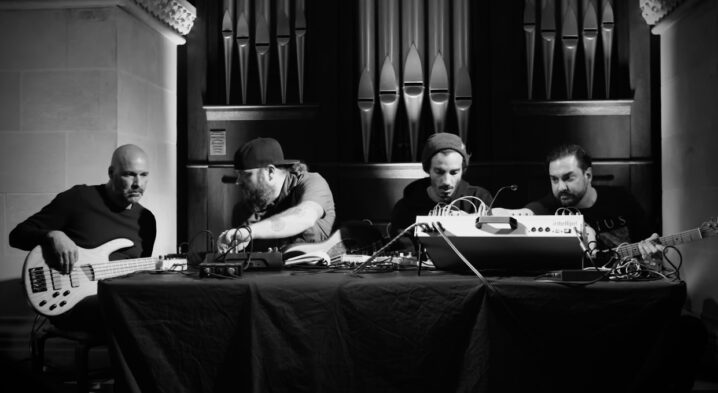
At PITP, our approach has always been collaborative. We operate as a true collective, where every member has a voice and a vote in what we release. Each of us brings a different background and perspective, which creates a well-rounded process that feels both intentional and organic. That balance has served us well from the beginning, and over time, it has helped us naturally define our core group of artists and our shared identity as a label.
We don’t actively scout for new talent or put out open calls, but demos still find their way to us regularly, and we always take the time to listen. Sometimes the right artist just finds us at the perfect moment.
Cynthia has been a wonderful part of that discovery process. She has an incredible ear and deep knowledge of the ambient scene, especially when it comes to spotlighting women in ambient music. There have been many times when I’ll mention a new artist I just found, and she’ll tell me she already has a feature about them scheduled on Cloud Collecting. She has introduced several artists to PITP, including, most recently, Hadley Roe, whose debut album, The Inner Garden, we released in April 2025.
Ultimately, it always comes down to connection. Whether through sound or spirit, we look for artists whose work feels honest, emotionally resonant, and aligned with the heart of what PITP stands for.

Can you talk about how the PITP team collaborates behind the scenes? How do you delegate tasks or make decisions together?
We’ve always worked closely as a team, and that sense of constant communication is what keeps PITP running smoothly. We talk every day, just as we have since the very beginning, and that daily rhythm helps us stay connected and in sync with one another.
Each of us has our own strengths and responsibilities. Kévin manages daily operations, artist relations, and much of our social outreach. Cynthia supports artist relations, leads all of our benefit-driven projects, and contributes to design and photography. She’s also amazing at building new relationships and finding creative opportunities for the label. James is one of our mastering engineers and helps guide both label and artist development. Drew also handles mastering and keeps us organized financially. Nick used to manage our sister label, Fallen Moon Recordings, and continues to play an important role in scheduling and creative planning. He’s a great source of ideas and perspective that helps us grow.
As for me, I’m involved in nearly every part of the process, but the team allows me to actually sleep a little now. We all share the workload, and we make decisions collectively. Everyone has a voice, and that balance keeps us grounded and fair. I’ll admit that I still occasionally sneak in a few “zake surprises,” but the team keeps me on track.
In the early days, it felt like organized chaos as we were releasing new albums almost every week. It was exciting but not sustainable. Through time and teamwork, we found a healthy rhythm and became much more structured. I’m incredibly grateful for this group. Without them, PITP wouldn’t be what it is today. They bring balance, creativity, and heart to everything we do.
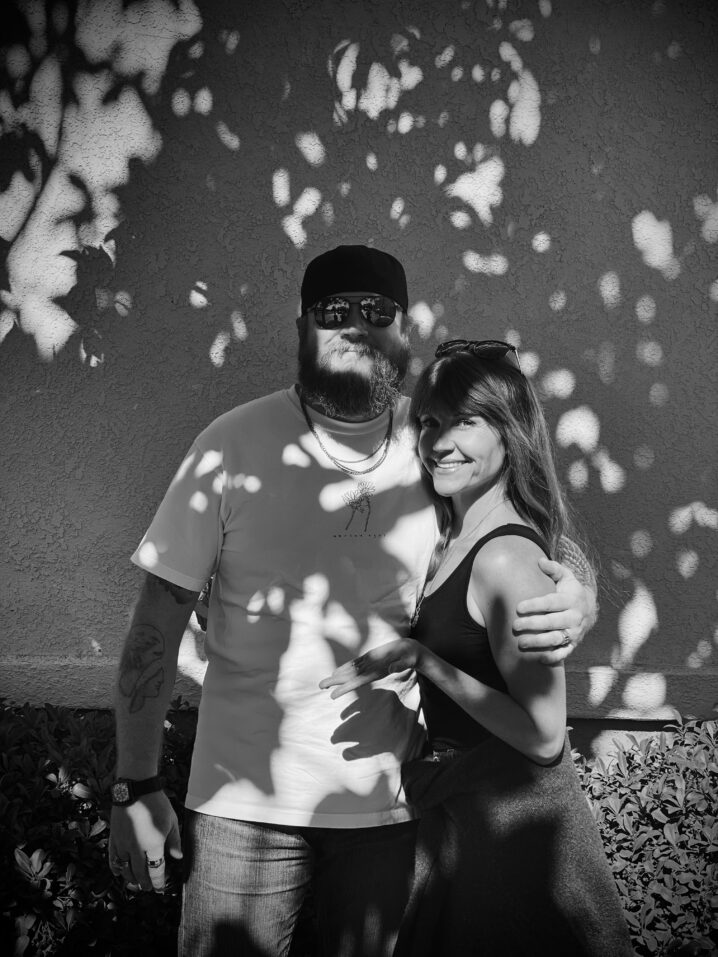
You also created sub-labels like Zakè Drone Recordings, Healing Sound Propagandist, and Fallen Moon Recordings. What was the reasoning behind launching these, and how do they differ from the main imprint?
The sub-labels were an extension of the same spirit and values that guide PITP, each with its own focus and personality. They gave us room to explore ideas connected to the main label while allowing certain sounds and concepts to have space to breathe on their own.
Healing Sound Propagandist grew from our desire to share quieter, more introspective works. It carried the same emotional depth that PITP is known for but leaned toward longer compositions and subtler textures. It began as a digital platform, later expanded into cassette releases, and culminated in a 4CD boxset that celebrated the artists who helped define that chapter.
Fallen Moon Recordings had a different focus, leaning toward the experimental and noise-driven side of sound art. It primarily lived in digital-only offerings, with a handful of cassette editions that were both beautiful and unique. It provided a home for work that was adjacent to the PITP aesthetic yet still deeply tied to its creative core.
Zakè Drone Recordings, on the other hand, was a more personal offshoot for my independent and collaborative projects. I was releasing so much music that it made sense to create a separate home for it. Otherwise, PITP would have been overflowing with my own work, which would not have been fair to the artists we aim to highlight and support, and candidly, it would have felt a bit self-serving. ZDR became a creative outlet where I could explore freely while keeping PITP centered on community and collaboration.
Each of these labels played a meaningful role in our growth, helping us experiment, expand, and remain true to the spirit that started it all.
PITP releases are known for their beautiful physical editions. Why do you think having a strong visual identity matters for an ambient label?
Music is art, and so are design and photography. They work hand in hand to create a complete experience, so both need to feel intentional and inspiring. We’ve always believed that the visual presentation of an album should carry the same emotional weight as the music itself.
Many of the labels we admire, like 12k, Azure Vista, Seil, Spatial, and Infraction, have built incredible visual identities that instantly tell you who they are. We wanted to capture that same sense of care and artistry, but with our own approach. We let each release have its own personality while still feeling connected to the larger PITP family. Good design has the power to make music even more meaningful. Whether it’s Cynthia or me working on layout and photography, or the artist contributing their own vision, we always aim to create harmony between sound and image. When those two elements align, it feels like the music has found its perfect visual companion.

What are some of the biggest challenges you’ve encountered in running PITP, and what lessons have you learned along the way?
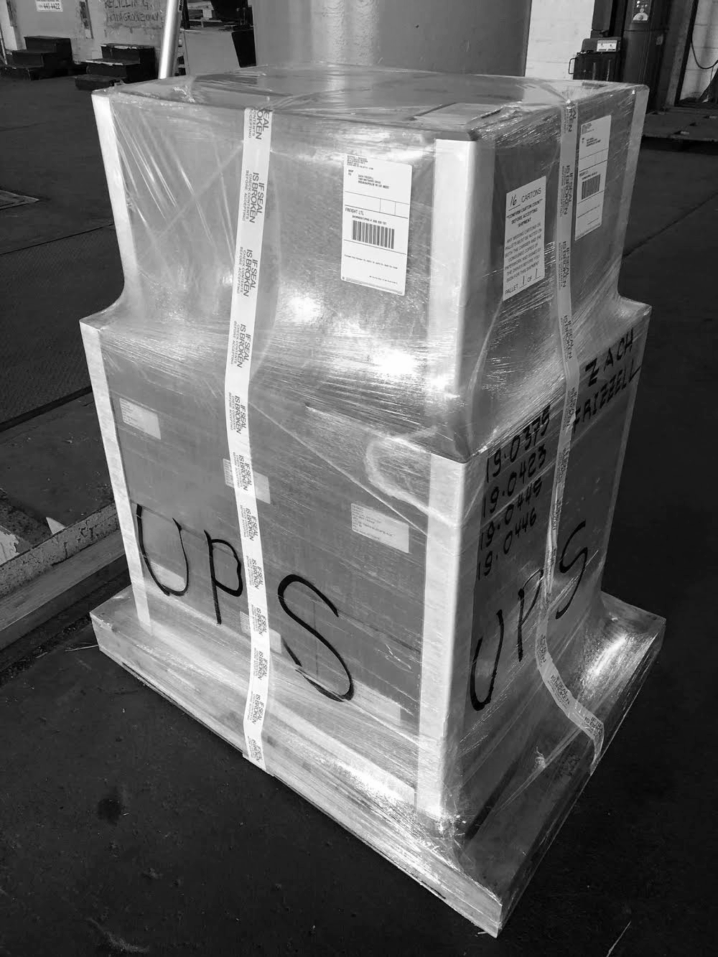
The biggest challenges that come to mind are definitely scheduling and managing expectations. No matter how organized we are, there’s always a delay lurking somewhere. Pressing plants run behind, packaging gets stuck somewhere between here and who knows where, or an entire pallet of records ends up held by the Department of Homeland Security because the bill of lading included the word “drone,” and they thought we were importing actual drones. (Yes, that really happened.) You quickly learn that “estimated delivery date” actually means “add four more months, just to be safe.”
Sleep becomes a myth during busy release cycles, and even when everything goes smoothly, there’s always someone ready with a question that makes you laugh and cry at the same time. Things like, “Why does shipping cost so much?” (we promise it’s not us), “Why is this only a CD release?” (if you fund the vinyl, we’ll press it tomorrow), or my personal favorite, “Why did you release this on vinyl, CD, and cassette but not on 8-track?” At some point, you just have to throw your hands up and say, “Ya can’t please ’em all!”
What keeps us going is remembering why we started this in the first place. Every hiccup and headache is part of the journey, and we try to meet it all with patience, humor, and perspective. If you can laugh through a vinyl delay or a misprinted jacket, you’re probably doing just fine in this business.
As the label grows, where do you envision it heading in the coming years?
As PITP continues to grow, I see us staying true to what has always defined us: authenticity, community, and care, but refining it in ways that keep things sustainable and meaningful. We’ve learned so much through the years, and our goal moving forward is not to chase scale but to deepen connection. We want to continue nurturing the artists who have trusted us with their work, while also creating space for new voices who share the same spirit of honesty and emotional depth. Every release will always have a story, and that narrative, the emotional throughline that binds everything together, will continue to guide us.
We also plan to keep evolving the physical side of what we do. For us, music and design are inseparable, and we’ll always put energy into making each release a beautiful, tactile experience. Whether through vinyl, CD, or even unexpected formats, we want each piece to feel special, timeless, and worth holding onto.
Internally, our team has found a wonderful balance. Everyone has their own strengths, and our collaborative rhythm has kept PITP alive and healthy, and I think it’s what will carry us forward.
Looking ahead, I see PITP continuing to serve as a home for honest, restorative music, a place where artists and listeners alike can pause, breathe, and find a bit of calm in the noise of the world. We’ll keep growing, but always at a pace that honors the music, the people, and the intention behind every release.