I’ve been writing about and talking with this British artist since his 2008 album, Marking Time, which was released on Preservation. Back then, I wasn’t too much into interviews, and I tried to chat up my favourite artists with only a few lines, which I called “Two and a Half Questions“. To me, Richard’s music was always extremely poignant. At first, it didn’t matter how and why it was made – what mattered was that it touched me deeply, and I resonated with its stringed instruments, bowed and scratched, drawn out with an invisible hand of time. But as I came to understand this composer more deeply, I began to appreciate the intricate details and concepts that we will explore.
Richard’s astonishing body of work (and we will revisit many of the albums here!) sits at the intersection of sound, memory, and landscape. It often evolves from sustained immersion in specific environments and from wide-ranging research that incorporates toponymy and language, archaeology and geology, folklore and myth. Somewhere in between, there is some buried loss, exhumed, examined, and submerged again. The music, drenched in weather and ancient geography, explores impermanence, fragility, and deeper philosophical questions that we may never answer (but we will surely try!) through Richard’s poetry, typographic paintings, and, perhaps, even a PhD thesis (if we are brave enough).
Richard’s composition and production techniques lean more toward an organic sound craft. He is particularly known for his unique use of stringed instruments, many of which were highly modified in order to broaden their timbral, resonant, and tonal range. We will discuss some fascinating electroacoustic devices, degradation techniques, and even more advanced preparation methods such as string gauge extremes, altered bridges, and deliberately damaged resonance chambers. I’ve got a set of interview questions dedicated just to that!
Between 2005 and 2011, Richard ran and operated Sustain-Release, a private press dedicated to publishing his own landscape-oriented recordings and art editions. That was just one of Richard’s platforms. There’s also the multi-media publishing house Corbel Stone Press, which Richard co-directed with the Canadian poet and his partner, Autumn Richardson, since 2009. The music, released alone under various pseudonyms and in collaboration with Autumn, is available on their Aeolian Editions.
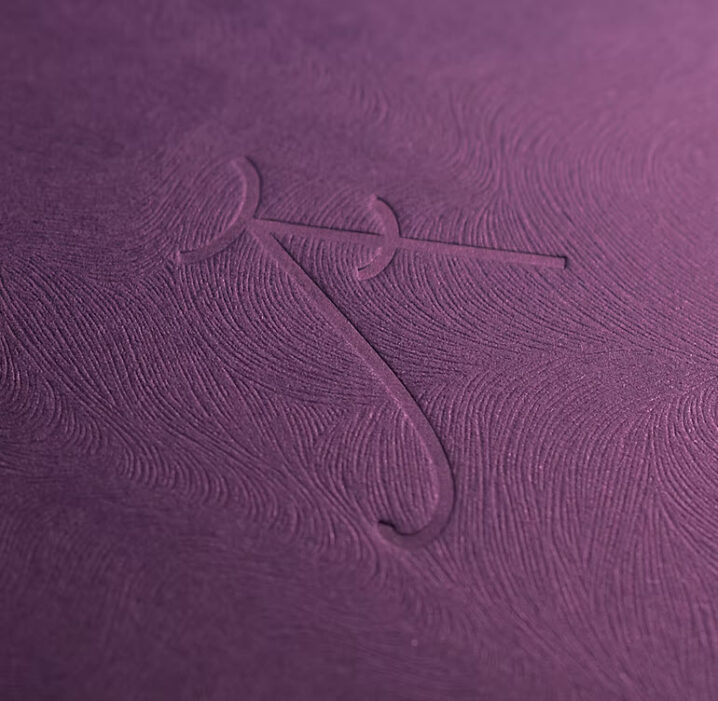
Corbel Stone Press is a home for even more art, books, and the journal of mythopoeic writing, Reliquiae, featuring the work of over 300 contemporary and historical poets, writers, and translators across more than 45 languages. We’ll discuss several of Richard’s projects, including A Broken Consort, The Inward Circles, and Imperial Valley. And of course, we’ll dive into the incredible, handmade, and extremely limited-edition physical releases, which focus on the material itself.
Yes, there is a lot, and we will be slowly exploring all of this together! We will attempt to traverse Richard’s discography from the beginning, in a thematic chronology of albums. Of course, if you can’t wait and want to start your journey today, I recommend you begin with The Complete Landings, which I have been listening to on repeat in preparation for this month. But yes, we will have tracks to stream and albums to download along the way, and yes, of course, Richard will be here with us, so feel free to wave and say hello! Join us!