The following is an excerpt from an ongoing conversation with 36, who is currently the featured artist on Headphone Community. This is the third entry, with the first two covering his music composition, and, my favourite, studio and sound design, where you get to [finally!] peek inside the workflow, including screenshots of the Ableton project and more! On the platform, you will also find previously unreleased tracks, lots of Bandcamp codes to handpicked releases [yes, you can download lossless albums just by becoming a member!], and many other exclusive surprises and perks, plus ask Dennis your questions! Most importantly, every single dollar goes back directly to supporting this and future artists. Join us for an ongoing conversation about music…
Looking back over your discography, from Hypersona up to your latest releases, what do you see as the biggest evolutions in your sound or artistic approach? Were there any particular albums that felt like turning points for you in terms of growth or direction?
Hollow was the first big change. I wrote it about a year after I finished Hypersona, during my DAW transition period, moving from Reason 5 to Ableton Live. It was a rather difficult move, and because I’m stubborn, I insist on teaching myself how to do things, even when I’m a bit clueless. It felt so alien moving from the hardware-like digital rack system of Reason, but I did appreciate how easy it was to load waveforms straight into the arrangement within Ableton. I went deep with sampling, and it meant that the album naturally sounded drastically different from Hypersona. Some people loved it, others probably wondered what the fuck happened to me. But my ethos has always been to follow my heart and never shy away from risks.
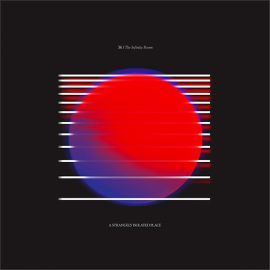
After that, I think the next big evolution came around 2016 and 2017, during The Infinity Room and Black Soma. This was the time when music became my full-time job, and I naturally had way more time during the day to dedicate myself to my tunes. I think this was one of the most focused, intensely creative periods of my career, and I was able to bang out so many records during this period, all of which I feel stand up among my best work. Tomorrow’s Explorers and The Infinity Room in particular were massive successes, allowing me the financial security to keep experimenting with my music.
Around 2020 was the time I started working collaboratively for the first time in my career. I’m a natural introvert, so opening up to other people on such a deep, creative level is always a challenge for me, but I figured I had some semblance of musical skill at this point, so my imposter syndrome didn’t have quite the same pull on me as it once did. I’m really glad I did, because working with other people wasn’t this terrifying horror show I had convinced myself it was all those years previously. Working with Zach, James, Cynthia, Duenn, Black Swan… It was easy, enlightening, and most importantly, a lot of fun. If I may be so bold, I think we made some fantastic art together.
More recently, I’ve definitely become more experimental with my output, especially for my own label. Albums like Cold Ecstasy and Trance Anthems For A Sunken Generation are very different from what people may have come to expect from my music, and because I’m lucky enough to be both financially and creatively independent, I can drop weird albums like this without much risk. Same with Exit All The Lights. I’ve always wanted to put out a proper, original vocal album, but I never had the balls to do it when I was younger. Now, I don’t give a shit. I know vocals are highly contentious with many people, but I’m so proud of that record. I learned so much making it, and again, it felt like a big step-up in my production skills. Plus, it’s hard not to fall in love with Yassie’s voice.

Tell us about your Syne alias. What inspired you to create music under a different name back in 2017, and how does the material you made as Syne differ from your work as 36? Does having an alter-ego for more beat-driven, techno-oriented music feel liberating in a different way?
Nothing too exciting. I just had some traditional 4/4 tracks, which felt a little out of place among my usual 36 ambient-like output, so I decided to release them under a new alias. Milo from Juno was very supportive of it, and he financed and distributed the record for me through Juno Records. I’m not sure how well-received it was, since I don’t have any contacts or experience in the Techno scene, but I think it’s a pretty interesting record, and certainly a fun diversion for me.
I have only made one other SYNE record since then, which was a split with James Bernard. This track was actually three different ones, made at various times over the years. I had the idea to stitch them all together as one long track, and Zach wanted some music for his Techno side-label, so it felt like a perfect fit. The track is “Dystalgia”, and I really like that tune. It’s a kind of love letter to the old Detroit stuff I grew up listening to. It’s a little under-appreciated, as both Zach and I don’t really know how to market this kind of stuff to our usual audience, but I hope more people give it a chance, because the worlds of ambient and Techno aren’t as far apart as some may think.
Are you still producing as Syne?
SYNE will, of course, continue as long as I am still breathing, but no, I’m not actively working on any new SYNE material right now. I’m sure somewhere along the road, I’ll make something a little out there, and SYNE will once again come to the rescue, giving me an outlet to share it without the usual baggage that comes with releasing music as 36. Until then, SYNE is in stasis.

You’ve released a number of collaborative works (for instance, the Stasis Sounds series with zakè). How have these collaborations influenced you as an artist? Did working closely with others introduce new perspectives or techniques that filtered back into your solo work?
Yes, absolutely. As I mentioned before, the biggest challenge was opening myself up, allowing others into my creative headspace. Making music is such a deeply personal thing for me, and up until a few years ago, I wouldn’t have been able to do it. I’m just too self-critical, too annoying. Well, I’m still annoying, so that hasn’t changed much.
I’ve only ever worked with people I know or respect. James Bernard is a legend and one of the nicest people on the planet. Same with his wife, Cynthia. They’re such humble, deeply empathetic people, and I think this comes across very clearly in their music. Their tunes have this rare kind of purity, which I find very inspiring. There’s no faking it. You can only attain this kind of beauty by having first navigated through the darkness, lifting yourself out of it.
Zach, likewise, is a wonderful person. So kind, honest, and thoughtful of others. I see him as my musical Brother. The records we made together have genuinely changed people’s lives, so I’m so honoured to have been a part of it with him.
Black Swan is one of my oldest friends since releasing music as 36, and I have such massive respect for the work he has put out. I will evangelise his work until the end of time. He is an absolute master at creating such gut-wrenching, raw, utterly absorbing music. He’s truly one of a kind.
Duenn was someone I wasn’t previously familiar with, and obviously, there’s a large language barrier, so we had to bridge this with sound. Again, he has a very distinctive sound. Very original, deeply experimental, but also very human. I really like the record we made together.
So yes, we all learned new production tricks from each other, which is cool and all, but more important was establishing friendships with each other. I still speak to all of these guys regularly. We’re like some extended family, and the fact that came about due to the shared creation of art is a lovely, special feeling.

Has your definition of success for a release changed since you started out? Early in your career, you might have been thrilled just to get music out into the world. Now that you have an established audience, do you set different goals or challenges for yourself with each new album?
Weirdly not. I had little expectations in regards to sales from the moment I first put myself out there to the world, and to this day, I still get a massive buzz when people buy my records, or talk about them. I don’t feel entitled to anyone’s attention, and especially their money. I’m just thrilled people continue to listen and support me. It’s the best feeling.
Obviously, I’m established now, so I can put out fancier, more elaborate projects without the same kind of financial worries, but in terms of my creative output, I still think I’m as unapologetic and fearless as I ever was. You have to be if you want to survive in music. If I didn’t have that adventurous spirit with regard to my tunes, I’d just get bored, and probably have long since moved on to something else. I’m still making music because I get genuinely excited by it. Amazingly, the passion is still there, and I’m very protective of myself to ensure it stays that way for as long as possible, hopefully, for the rest of my life.
You’ve been quite prolific over the past decade-plus. How do you keep finding new inspiration and avoid repeating yourself? Have you ever hit a creative rut or period of burnout, and if so, what did you do to overcome it and rejuvenate your inspiration?
It’s quite simple, really. If I don’t feel like making music, I don’t make it. I’ve tried forcing myself into the studio, but as I mentioned previously, if it feels like work, I quickly lose interest, and the music suffers greatly. I know it might seem like I’m prolific, but I genuinely don’t see it that way. I work hard, but only in hyper-focused periods, and rarely for longer than a few hours at a time. Music is a great stress on me. When I’m creating emotional tracks, it drains me quickly, and knowing when to stop is just as important as knowing when to begin. I have a lot of respect for people who can sit in the studio for 10 hours at a time and just bang out consistently great records. I wish I could do that, but I can’t. I need the downtime. Listening back to the loops I made is a big part of that, so even if I’m not in the studio, I’m still making music. Just in my head, not my DAW.